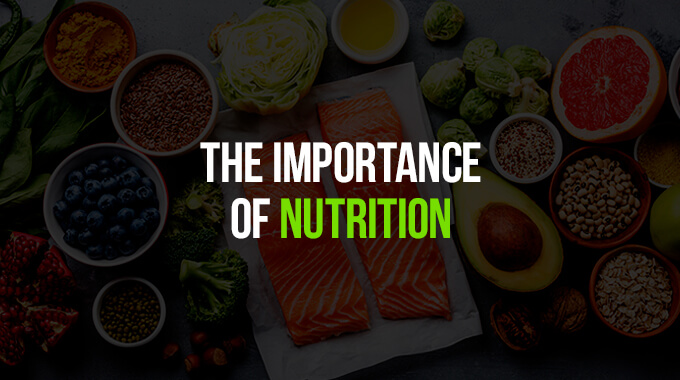
Top 10 Foods to Fuel Your Fitness Gains
When it comes to maximizing your fitness gains, the right nutrition plays a crucial role. Here are the Top 10 Foods that can help fuel your workouts and enhance recovery:
- Eggs: Packed with high-quality protein and essential amino acids, eggs are a staple for muscle repair.
- Quinoa: This complete protein source provides a great balance of carbohydrates and nutrients for sustained energy.
- Chicken Breast: Low in fat and high in protein, chicken is perfect for muscle building and recovery.
- Greek Yogurt: Rich in protein and probiotics, Greek yogurt supports gut health and muscle recovery.
- Spinach: Loaded with vitamins and minerals, spinach aids in reducing inflammation and improving performance.
- Oats: A great source of complex carbohydrates, oats provide the energy needed for endurance workouts.
- Salmon: This fatty fish is rich in omega-3 fatty acids, promoting heart health and aiding muscle recovery.
- Sweet Potatoes: High in fiber and vitamins, sweet potatoes are excellent for sustained energy release.
- Nuts: Healthy fats and protein in nuts provide energy and help with muscle recovery.
- Legumes: Beans and lentils are not only high in protein but also provide essential nutrients to support your fitness journey.
Incorporating these top fitness foods into your diet can significantly impact your performance and recovery. Remember, nutrition is a vital part of your fitness routine, and making smart choices can help you reach your goals faster. Focus on a balanced intake, combining these foods in your daily meals to ensure you're fueling your body effectively for optimal gains.
How to Create a Meal Plan for Optimal Performance
Creating a meal plan for optimal performance is essential for anyone looking to enhance their productivity and energy levels. Start by assessing your nutritional needs; consider factors such as age, activity level, and overall health. Once you have an understanding of your requirements, outline a weekly meal plan that includes a variety of macronutrients – proteins, fats, and carbohydrates. Aim to incorporate colorful fruits and vegetables, lean proteins like chicken and fish, whole grains, and healthy fats like avocados and nuts to ensure you receive a balanced diet.
Next, batch cooking can be a game changer. Prepare meals in advance to save time during your busy week. Designate one day a week to cook several meals at once and store them in portion-sized containers for easy access. Additionally, consider staying hydrated as part of your meal plan; drinking plenty of water throughout the day supports overall performance. Finally, keep a food journal to track what works best for you; this will allow you to make necessary adjustments based on your physical and mental performance outcomes.
The Role of Macronutrients in Building Muscle: What You Need to Know
When it comes to building muscle, understanding the role of macronutrients is essential. Macronutrients consist of three primary components: proteins, carbohydrates, and fats. Each of these plays a crucial role in muscle growth and recovery. For instance, proteins are the building blocks of muscle tissue; they provide the necessary amino acids that repair and build new muscle fibers during the recovery process. In contrast, carbohydrates serve as the primary source of energy for your workouts, fueling your body for high-intensity exercises that are vital for muscle gain. Lastly, healthy fats support hormone production, including testosterone, which is pivotal in muscle development.
To effectively harness the power of macronutrients for muscle building, you should consider adopting a balanced diet that includes an optimal ratio of these components. Experts often recommend a macronutrient breakdown of 40% carbohydrates, 30% proteins, and 30% fats, but individual needs may vary based on training intensity and personal goals. Additionally, timing your macronutrient intake is important; consuming a combination of protein and carbohydrates both before and after your workouts can significantly enhance muscle recovery and growth. By paying attention to your macronutrient intake, you can maximize your muscle-building potential and achieve your fitness goals more efficiently.