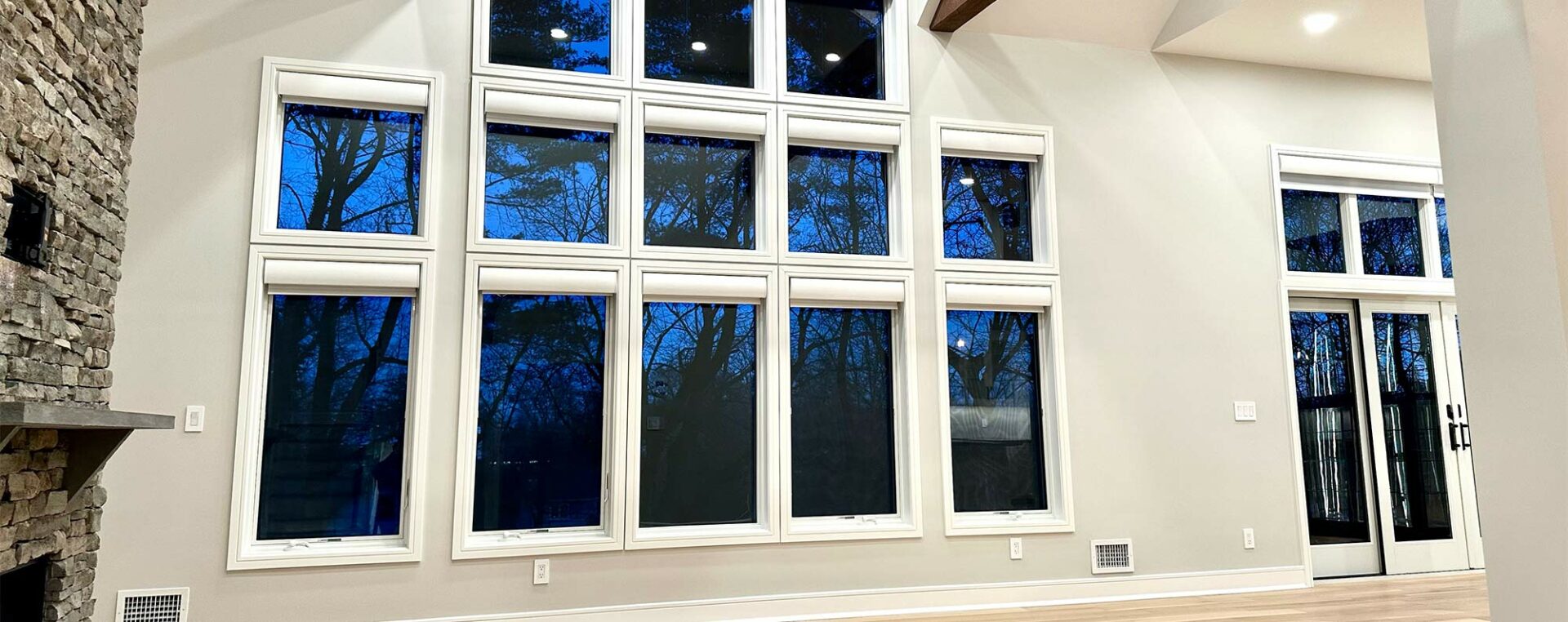
Top 5 Signs It's Time for a Window Replacement
Knowing when to replace your windows is crucial for maintaining the energy efficiency and aesthetic appeal of your home. Here are the top 5 signs it's time for a window replacement:
- Drafts and Air Leakage: If you feel a noticeable draft around your windows, it’s a clear indication that the seals are broken, allowing air to seep in and out. This can significantly affect your home’s heating and cooling efficiency.
- Visible Damage: Cracks, warping, or discoloration on your window frames can not only detract from your home's appearance but also signal a need for replacement. Deteriorating frames can also impact the functionality of the windows.
Continuing with our list, the next signs to look out for include:
- Condensation Between Glass Panes: If you notice moisture trapped between the glass panes of your double or triple-paned windows, it indicates that the seal has failed, compromising energy efficiency.
- Higher Energy Bills: An unexpected spike in your energy bills can be a sign of poor window insulation. Replacing your old windows with energy-efficient models can lead to significant savings over time.
- Difficulty Opening and Closing: If your windows are hard to operate, it may be time for a replacement. Windows should operate smoothly and easily; otherwise, they may be outdated or improperly installed.
The Benefits of Energy-Efficient Windows: Are They Worth It?
Energy-efficient windows are designed to minimize the amount of heat transfer between the interior of a home and the outside environment. This means during the winter, they help keep the warmth inside and reduce heating costs, while in the summer, they can block out excessive heat, lowering the need for air conditioning. According to the U.S. Department of Energy, energy-efficient windows can save homeowners from 10% to 25% on their energy bills. Additionally, these windows often come with low-emissivity (Low-E) coatings that reflect heat and UV rays, thereby protecting your furniture and flooring from fading and extending their lifespan.
Beyond the direct cost savings, energy-efficient windows offer additional benefits that can enhance your home’s overall comfort and value. For instance, they reduce drafts and maintain a more stable indoor temperature, leading to an increase in overall comfort for the inhabitants. Furthermore, potential homebuyers are increasingly looking for energy-efficient features, which can boost your property’s market appeal. In summary, investing in energy-efficient windows not only contributes to a healthier planet by lowering energy consumption, but it can also be a wise financial decision in the long run.
Window Replacement Costs: What to Expect and How to Budget
When considering window replacement costs, several factors come into play, including the type of windows you choose, the materials used, and the complexity of the installation. On average, homeowners can expect to spend between $300 to $1,000 per window, with high-end models costing significantly more. To help you budget effectively, here are some common cost components:
- Window Type: Double-hung, casement, and sliding windows each come with different price points.
- Material: Vinyl, wood, and aluminum frames vary in cost and durability.
- Installation: Professional installation generally adds to the overall cost, with labor prices ranging from $100 to $150 per hour.
To effectively budget for window replacement costs, it's essential to conduct thorough research and potentially seek multiple quotations from contractors. Begin by determining your needs based on energy efficiency, aesthetics, and functionality. You should also factor in potential energy savings with new windows that feature better insulation and energy-efficient glazing. Additionally, consider allocating some budget for unforeseen expenses during the replacement process—about 10% of your total budget is a good rule of thumb. This proactive approach will help ensure a smoother transition and ultimately lead to greater satisfaction with your investment.